Seasonal Allergies in TCM
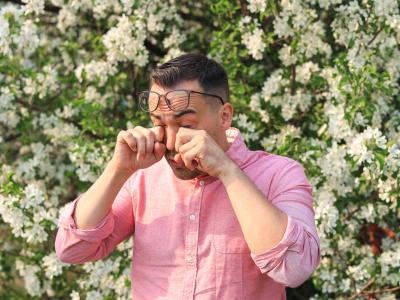
As the flowers here in Kentucky bloom and the trees awaken, many people struggle with seasonal allergies. Traditional Chinese Medicine offers incredible insights and strategies for managing allergy symptoms—naturally!
Key Causes of Seasonal Allergies:
1. External Wind Pathogens:
- Wind is considered the primary “carrier” of allergens (e.g., pollen, dust). It invades the body through the nose, skin, and lungs, causing symptoms like sneezing, itchy eyes, or congestion.
- Wind often combines with other climatic factors:
- Wind-Cold: Clear mucus, chills
- Wind-Heat: Yellow mucus, sore throat
2. Organ Imbalances:
- Lungs: Govern the respiratory system. Weak Lung Qi allows pathogens to enter, causing a runny nose or asthma.
- Spleen: Produces Wei Qi (defensive energy). A weak Spleen leads to dampness (phlegm, congestion).
- Kidneys: Chronic allergies may involve Kidney Qi deficiency, reducing overall vitality.
3. Wei Qi Weakness:
- Poor diet, stress, or lack of sleep weakens Wei Qi, leaving the body vulnerable to allergens. Wei Qi is the protective Qi of the body that we can equate to the immune system.
Food Allergies in TCM
Food allergies (e.g., reactions to dairy, gluten) stem from internal imbalances, particularly in the Spleen and digestive system.
Key Causes of Food Allergies:
1. Spleen Deficiency:
- The Spleen transforms food into energy. Weakness leads to undigested food “toxins” (dampness), triggering bloating, fatigue, or skin rashes.
- Damp-producing foods (dairy, sugar, and raw/cold foods) worsen this cycle.
2. Heat and Toxins:
- Overeating spicy or fried foods generates internal heat, inflaming the gut or skin (e.g., hives, eczema).
3. Liver Involvement:
- Stress or poor diet stagnates Liver Qi, which can disrupt digestion and cause allergic reactions, including hives, migraines, and joint pains.
The Link Between Food and Seasonal Allergies
TCM sees both allergy types as symptoms of deeper imbalances, most often:
1. Spleen Deficiency and Dampness:
- A weak Spleen creates internal dampness, which:
- Weakens Wei Qi → More seasonal allergy susceptibility.
- Causes food intolerance → Inflammation, mucus, skin issues.
- Example: Dairy (damp-producing) worsens both sinus congestion and gut reactions.
2. Lung-Spleen Connection:
- The Spleen (Earth element) nourishes the Lungs (Metal element). Poor digestion starves the Lungs of Qi, making them prone to allergens like pollen.
3. Wei Qi Deficiency:
- Chronic stress, poor diet, or overwork deplete Wei Qi, leaving the body vulnerable to all allergens.
How Can I Prevent and Treat?
*Note: Always consult a licensed TCM practitioner for personalized care!*
1. Strengthen the Spleen:
Eat warm, cooked foods (soups, congee). Avoid sugar and dairy.
- Herbs: Huang Qi (Astragalus), Bai Zhu (Atractylodes).
2. Support the Lungs:
- Practice Qi Gong or deep breathing.
- Use Yu Ping Feng San before allergy season to boost defenses.
3. Clear Dampness and Heat:
- Herbs: Fu Ling (Poria) drains dampness; Bo He (Peppermint) cools heat.
- Acupuncture: SP6 (leg) resolves dampness; LI11 (elbow) clears heat.
4. Lifestyle Adjustments:
- Reduce stress (meditation, adequate sleep).
- Avoid environmental triggers (e.g., pollen) during peak seasons.
Conclusion
In TCM, allergies are not isolated issues but signals of systemic imbalances—often rooted in Spleen weakness, dampness, or Qi deficiency. By addressing these root causes (via diet, herbs, and acupuncture), food and seasonal allergies can be managed holistically.
The Key Takeaway?
Strengthen your body’s inner harmony to build resilience against external triggers!
Suggested Sources:
1. “The Yellow Emperor's Classic of Medicine” (Huangdi Neijing)
- This ancient text is foundational in TCM and discusses the relationship between health and the seasons.
2. "Healing with Whole Foods: Asian Traditions and Modern Nutrition" by Paul Pitchford
- This guide outlines TCM dietary therapies and details herbs, recipes, and nutritional strategies for wellness.
3. “Chinese Medicine and the Management of Allergies” (Journal Articles)
- Research articles or case studies detailing the efficacy of TCM approaches for treating allergies, providing modern validation of traditional practices.