As the weather warms up and we spend more time outdoors, May brings a crucial reminder: May is Lyme Disease Awareness Month! While spring hikes and gardening are some of the best parts of the season, they also bring us into closer contact with ticks.
Here in Kentucky, we are no strangers to the realities of tick season. Having specialized in tick and allergy diseases for more than ten years, we have seen firsthand how devastating these chronic symptoms can be. We have also seen how transformative the right care can be. Over that decade, we have honed our clinical protocols specifically to address the complex needs of patients battling long-term tick exposure, focusing on safely reducing symptoms and providing relief.
For many, a tick bite is just a temporary scare. But for others, it can lead to Lyme disease—a condition that, if left untreated or if it transitions into chronic Lyme, can cause debilitating fatigue, severe joint pain, and complex neurological symptoms.
By the way, Lyme is only one of the possible negative outcomes of a tick bite around here. Alpha Gal Syndrome, Erhlichia, Babesia, Rocky Mountain Spotted Fever, and Tularemia (rabbit fever) are all linked to tick bites in this area. Which is why prevention is so important!
Whether you are looking to stay safe this season or are actively seeking relief from the lingering effects of tick-borne illnesses, taking a comprehensive approach is key.
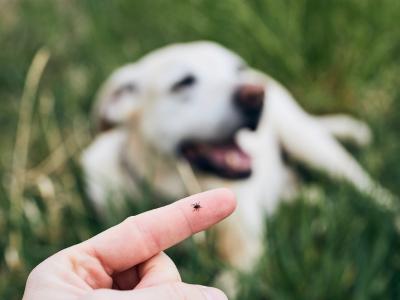
Prevention First!: Protect Yourself (and Your Pets)
The best treatment is always prevention. When heading out into wooded areas or tall grass, keep these habits in mind:
In Case You Do Get a Tick Bite:
1: Spray with evil bone water (We also sell this in-clinic) before removing the tick. Many times, this will get the tick to release on its own for easy removal; if it doesn’t, use tweezers close to the head and slowly apply pressure straight out until it releases—try not to break the body or use excessive force.
2: Send the tick in for testing at the University of Kentucky. This is free and more accurate than blood tests on the person later—no matter how short the attachment time. University Of Kentucky Tick Submission
3: Contact your primary care provider for prophylactic doxycycline. If you can’t take this, contact our office for the herbal alternative I recommend and use myself (Lightning Pearls, 3 caps 3x per day is the standard dosing; prescription meds need to be reviewed by me before taking!)
4: Watch for signs of fever, fatigue, muscle aches, rash, or any other changes. If these occur, get tested.
*Warning: The standard test paid for by insurance has a false negative rate ranging from 40-60%, depending on the organism—a negative test doesn’t rule out infection alone, but a positive test is 100% positive and warrants aggressive treatment and follow-up testing to be sure it’s cleared. More sensitive and accurate tests are available for $250-$400, but typically aren’t covered by insurance. HSA/FSA funds may possibly be used for these, so check with your insurance provider.

The Challenge of Chronic Lyme
When Lyme disease goes undiagnosed or becomes chronic (sometimes referred to as Post-Treatment Lyme Disease Syndrome), it can feel like your body is constantly fighting an invisible battle. Patients often experience systemic inflammation, brain fog, nerve pain, and an overactive nervous system.
Conventional medicine often involves initial antibiotic protocols. Still, patients dealing with the long-term aftermath frequently find themselves needing more comprehensive, supportive care to regain their quality of life and reduce their dependence on daily pain medications.

How TCM Care Can Help You Reclaim Your Health
At our clinic, we focus on healing for the whole system. Here is how our therapies support healing for tick-borne diseases:
Ready to Find Relief?
Living with a tick-borne illness or chronic pain can be exhausting, but you don't have to deal with it alone. If you are struggling with the lingering effects of Lyme disease or are looking to safely manage your chronic pain, we are here to help you build a personalized, supportive care plan.
Bonus Section! Amazon Products that I recommend to patients.
*If you purchase through these links, we may receive a small commission.*
Spray on tick repellent for clothing—This is not purely organic, but I personally consider the risks of tick-borne disease far more potentially harmful than using this on my clothes.
Bug bite sucker to help take the itch out!
B5 (pantothenic acid) can help reduce the itch: 1 capsule 1-3x per day as needed. This one is Alpha Gal safe.