The Future of Healing: Recent Advances in Traditional Chinese Medicine
June 15, 2025
by RajaWellness
As interest in holistic health grows, Traditional Chinese Medicine is making significant strides in research and application. Here we will highlight recent advances in TCM, (and how modern science is validating its practices), and the integration of TCM with conventional medicine, and how it’s helping millions!
Growing Demand for TCM Herbs Fuels Cultivation in Australia:
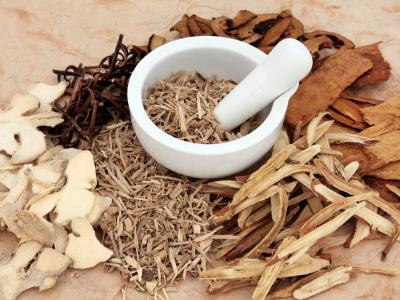
Collaborative research between Australian institutions and Chinese universities has shown that Tasmania's climate is suitable for cultivating TCM herbs like milkvetch and peonies. This initiative aims to meet the increasingly growing global demand for TCM ingredients.
Why Australia?
Climate Similarity: Tasmania’s cool-temperate climate mimics the growing conditions of northern China’s herbal regions.
Clean Agriculture: Australia's strict biosecurity and clean soil standards appeal to domestic and export markets.
Rising Demand: The TCM market is expected to grow beyond $50 billion globally in the next decade, creating strong economic incentives.
Key Herbs Cultivated:
Astragalus (Milkvetch root / Huangqi)
Known for: Boosting immunity, energy, and anti-inflammatory effects.
Application: Often used in tonics for fatigue, chronic illness recovery, and immune support.
Peony (Paeoniae radix / Baishao)
Known for: Blood nourishment, menstrual regulation, and calming effects.
Application: Used in gynecological formulas and for liver balance.
Scutellaria (Huangqin / Skullcap root)
Known for: Antibacterial, antiviral, and anti-inflammatory properties.
Application: Widely used for respiratory and gastrointestinal infections.
Studies Supporting Mind-Body Practices for Back Pain
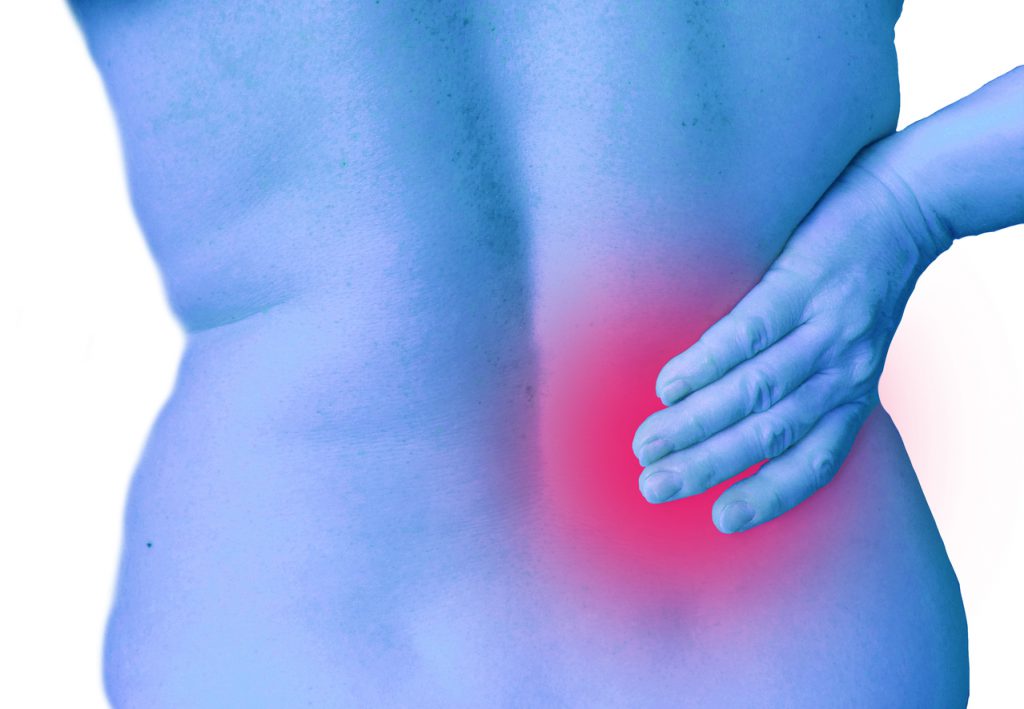
A study published in the North American Spine Society Journal found that practices like qigong and t'ai chi, combined with meditation, significantly reduced lower back pain over a 12-week program, highlighting their benefits in non-pharmacologic pain management.
What they found:
Pain Reduction: Participants experienced a statistically significant decrease in pain levels—comparable to or better than conventional physical therapy!
Healthcare professionals and institutions worldwide are increasingly integrating Traditional Chinese Medicine into mainstream healthcare settings. This shows a shift toward holistic, patient-centered care, especially for chronic and complex conditions.
Why is TCM Gaining Ground in Mainstream Medicine?
Growing Evidence Base
Clinical trials and meta-analyses are increasingly supporting the efficacy of acupuncture, herbal therapy, qigong, and other TCM modalities.
Conditions like chronic pain, fatigue, IBS, anxiety, cancer support, and infertility have shown positive responses to integrative approaches.
Patient Demand
Patients seek natural, non-invasive options for prevention and healing.
Many are dissatisfied with the limitations or side effects of pharmaceuticals alone.
Emphasis on Whole-Person Care
TCM focuses on balance, root causes, and individualized treatment, which aligns with evolving models of care in Western settings.
Leading Examples of Integrative TCM + Western Medicine Facilities
1. Cleveland Clinic – Center for Integrative & Lifestyle Medicine
Offers acupuncture, herbal medicine consultations, meditation, and yoga alongside traditional diagnostics and therapy.
Focuses on pain management, cancer care, and women's health.
Licensed acupuncturists and physicians work side-by-side.
2. Memorial Sloan Kettering Cancer Center
Offers acupuncture, massage therapy, meditation, and tai chi/qigong for symptom management in cancer patients.
Acupuncture is used for chemotherapy-induced nausea, neuropathy, and hot flashes.
Herbal therapy is monitored carefully to avoid drug interactions.
3. Beijing University of Chinese Medicine – Dongzhimen Hospital (China)
Fully integrated TCM-Western medicine hospital with dual-trained physicians.
Offers combined protocols (e.g., Western diagnostics + Chinese herbal treatment) for conditions like stroke recovery, diabetes, and autoimmune disorders.
4. RMIT Health Clinic (Australia)
A university-based clinic that trains students in integrative medicine.
Offers TCM, acupuncture, and Chinese herbal medicine within a regulated medical setting.
Collaborates with Western practitioners for joint care plans.
5. Osher Centers for Integrative Health – UCSF, Harvard, Vanderbilt
These academic centers use TCM as part of research-driven integrative care.
Conditions treated include fibromyalgia, arthritis, digestive disorders, and insomnia.
Emphasis on evidence-based integration and cross-training.
The products and statements made about specific products on this web site have not been evaluated by the United States Food and Drug Administration (FDA) and are not intended to diagnose, treat, cure or prevent disease. All information provided on this web site or any information contained on or in any product label or packaging is for informational purposes only and is not intended as a substitute for advice from your physician or other health care professional. You should not use the information on this web site for diagnosis or treatment of any health problem. Always consult with a healthcare professional before starting any new vitamins, supplements, diet, or exercise program, before taking any medication, or if you have or suspect you might have a health problem. Any testimonials on this web site are based on individual results and do not constitute a guarantee that you will achieve the same results.