February is the “Month of Love”, and it also happens to align with the Chinese lunar calendar’s focus on nurturing the heart, both physically and emotionally. This month we will talk about how Traditional Chinese Medicine (TCM) views the heart—not just as a physical organ, but as the center of emotional and spiritual well-being.
1. The Heart in TCM: Beyond Physical Health
In TCM, the heart is not only responsible for circulation and vitality—but is also seen as the “Emperor” of all organs. It houses the Shen (spirit), which governs emotions, mental clarity, and overall joy.
Emotional Balance: The heart is central to emotional regulation. A calm, open heart allows for greater emotional resilience, helping to process stress, grief, and anxiety effectively. Practices like heart-focused breathing and Qi Gong movements can help release stored emotional tension and create a sense of inner peace.
Check out our Raja Goodie in this month’s Raja Insider email to get our exclusive “Heart-Centered Qi Gong Movements”! And if you are not a Raja Insider—it’s FREE to join! Sign up HERE!
Happiness: A healthy physical and energetic heart is linked to feelings of joy and fulfillment. In traditional Chinese medicine, the heart houses the "Shen" (spirit), which governs clarity of thought and emotional stability. A person feels more vibrant, present, and joyful when the heart's energy is balanced.
Relationships: The heart’s energetic state affects how we connect with others. A closed or burdened heart can lead to emotional distance, while an open heart fosters empathy, compassion, and deeper relationships. When we cultivate heart-centered awareness—through mindfulness, Qi Gong, or other practices—we develop greater emotional intelligence, which enhances our ability to love and communicate authentically.
2. Love and Emotional Health: TCM’s Approach
The Heart/Shen (spirit) influences emotional stability, clarity, and the ability to give and receive love:
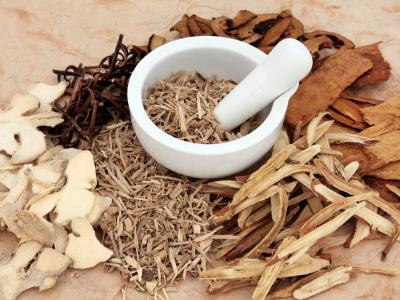
3. Herbs for the Heart: Nourishing with TCM
Herbs are often used in teas, decoctions, tinctures, or herbal formulas prescribed by TCM practitioners. Some key herbs used in TCM for heart health are:
Dan Shen (Red Sage Root) – Supports heart health, improves blood circulation, and cools excess heart fire (linked to irritability and restlessness).
Lian Zi Xin (Lotus Plumule) – Clears heart fire, calms the mind, and helps with insomnia due to overactive thoughts.
Hong Hua (Safflower) – Invigorates blood circulation, supports heart function and helps with chest tightness or discomfort.
Combining herbs with heart-nourishing foods and relaxation techniques also enhances their benefits.
*Always consult a trained TCM practitioner before using herbs, especially if you have existing conditions or take medications*
4. Heart-Healthy Foods in TCM
In TCM, the heart is associated with the fire element and the bitter flavor, and it benefits from foods that nourish the blood, calm the Shen (spirit), and promote smooth circulation of Qi.
Explore a variety of foods that support heart health in TCM, like warming soups, congees, and dishes with nourishing ingredients such as:
5. A Special Focus on Self-Love
Meditation & Breathwork – Practicing heart-centered meditation or deep breathing exercises can calm the mind, regulate emotions, and strengthen the connection to oneself. Mindfulness meditation helps in observing thoughts and feelings without judgment, creating inner peace.
Visualize a warm light around the heart while setting loving intentions can enhance emotional healing and self-compassion.
Herbal Baths – Soaking in a warm bath infused with calming herbs like lavender, rose, and chamomile can relax the nervous system, release emotional tension, and promote self-love. Adding Epsom salts can further help with grounding and detoxification.
Journaling for Emotional Clarity – Writing down thoughts, emotions, and reflections can bring deep insights and clarity. Practices like gratitude journaling, emotional release writing, or setting intentions can help process emotions and cultivate a positive mindset. You can begin journaling by picking up a simple pad of paper, or purchasing a blank journal with a design that “speaks” to you. It doesn’t need to be fancy or expensive—the most important part is getting started!